AGP Executive Report
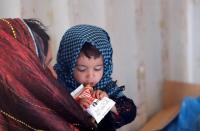
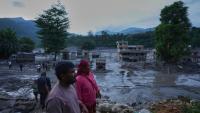
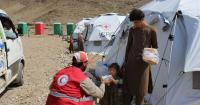
Last update: an hour agoHumanitarian Health Crisis: The UN says funding cuts have forced the closure of more than 100 health centers in Afghanistan, sharply reducing access to treatment and therapeutic nutrition as child malnutrition worsens. Child Nutrition: UNICEF warns that early action is critical, with millions of children facing acute malnutrition and hospitals under rising pressure. Media Freedom: The Afghanistan Journalists Center urges the Taliban to reopen the Lapis Media Office in Kabul after Taliban intelligence shut it down and confiscated equipment. Environmental Enforcement: Afghanistan’s Ministry of Interior says security forces arrested two people in Kunar for illegal deforestation and timber trafficking, citing a push to better protect forests. Regional Climate Risk: Nepal’s glacier-linked flash floods are again highlighted as a warning for the Hindu Kush Himalaya, where warming can trigger fast, cascading disasters that cross borders. Wildlife Trade & Policy: In Qatar’s Souq Waqif, falcon sales reportedly jumped as Afghanistan and other countries’ migratory hunting season preparations begin, following MoECC’s seasonal opening.
Note: AI summary from news headlines; neutral sources weighted more to help reduce bias in the result. Feedback is welcome. Please let us know if you have any comments or suggestions about the AGP Executive Report.

 Perspectify News